
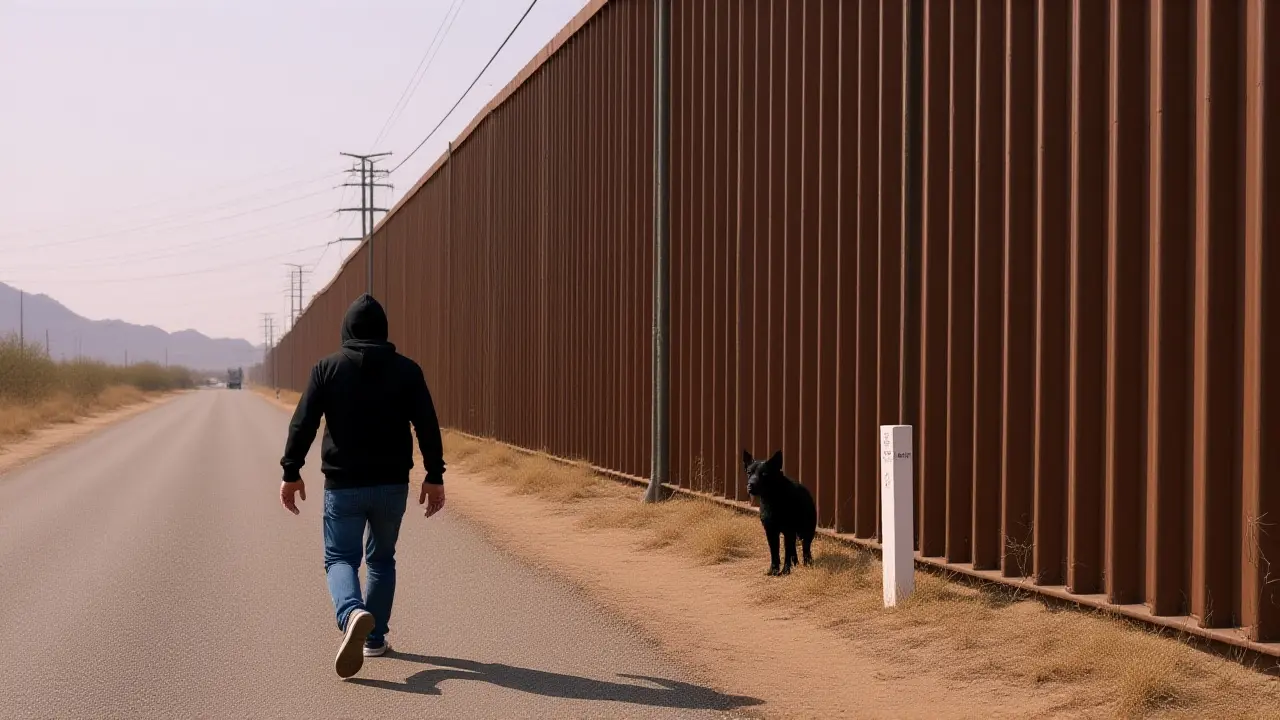
The U.S. Supreme Court issued a decisive move this week, effectively green-lighting the Trump administration's plan to deport eight migrants currently held in Africa. In an unsigned order released Thursday afternoon in July 2025, the justices cleared the path for sending these individuals from a military base in Djibouti to South Sudan. The ruling comes less than two weeks after the high court blocked a lower judge's attempt to stop such "third country" transfers, setting up a direct conflict between executive authority and judicial oversight.
The Legal Battle Over Due Process
Here's the thing—the underlying tension isn't just about moving people across borders; it's about who decides the safety of that destination. Back in April, U.S. District Judge Brian Murphy, based in Boston, had prohibited the federal government from sending immigrants to nations not listed in their original removal orders without first ensuring they wouldn't face torture. Murphy, appointed by former President Joe Biden, argued that due process matters even for non-citizens accused of crimes. His April 18 order was meant to be a safeguard, but the Supreme Court stepped in on June 23 to stay that ruling.
This latest decision clarifies that stay. The majority opinion stated bluntly that the June 23 order kept the April injunction frozen. They wrote that a remedial order from May 21 could no longer enforce an injunction the higher court had rendered unenforceable. But wait, it wasn't unanimous. Justice Sonia Sotomayor filed a sharp dissent. She warned that the government's concrete action would send eight noncitizens to a place where local authorities might subject them to imprisonment, torture, or death without regard for international law.
Where Are These Migrants Now?
The eight men involved come from a mix of countries including Cuba, Laos, Mexico, Myanmar, and Vietnam. According to reports from AP, all were convicted of serious crimes within the United States. They weren't originally slated for South Sudan. Their transport flight had been diverted to the Djibouti military base in May 2025, leaving them in limbo. While Murphy acknowledged the Supreme Court's pause on his broader order, he insisted his specific ruling regarding this flight remained active. He argued the migrants still deserved a chance to prove in court that sending them to Juba would put their lives at risk.
The administration fought back hard. In a court filing, they called Murphy's finding a "lawless act of defiance." For them, stopping these transfers slams the brakes on lawful efforts to manage border security. It's a tough stance, especially given the reputation of South Sudan. It's the world's newest nation, plagued by violence since gaining independence from Sudan in 2011. Political tensions there have been spiking, threatening another civil war.
Diplomatic Quid-Pro-Quos
This deportation strategy is part of something bigger. The Republican-led White House has pledged to remove millions of people living illegally in the U.S. Since many home countries won't take their citizens back, the administration has signed deals with places like Panama and Costa Rica to house them. The South Sudan arrangement looks like a diplomatic bargain. Secretary of State Marcos Rubio revoked all visas for South Sudanese passport holders in April 2025 because the nation previously refused to accept expelled nationals.
Suddenly, the dynamic shifted. South Sudan agreed to take the eight deportees as a goodwill gesture. However, it wasn't free. The African nation made several demands in return. They asked the U.S. to lift targeted sanctions on senior official Benjamin Bol Mel, described as the de facto No. 2 figure. They also wanted investment support for oil and gas sectors and help prosecuting First Vice President Riek Machar, who remains under house arrest. The U.S. recently renewed sanctions against Bol Mel over corruption claims, suggesting Washington isn't ready to fold completely.
Strategic Implications for Immigration Enforcement
Experts see multiple layers here. Aiman Chishti from the Migration Policy Institute notes the strategy is two-fold. First, it targets African nations that usually refuse deportees. Second, it acts as a deterrent for others considering illegal border crossings. With the Supreme Court removing the procedural hurdles, the Trump administration can turbocharge these deals. Negotiations likely continued behind closed doors, given that two sources indicated South Sudan would probably accept more migrants regardless of the U.S. accepting their requests. Why? Because the U.S. remains the largest donor of humanitarian aid to the region.
Frequently Asked Questions
Why did the Supreme Court intervene in Judge Murphy's order?
The justices intervened because the executive branch argued that requiring extensive due process reviews before sending migrants to third countries hindered lawful removal operations. On June 23, the Court stayed Judge Murphy's injunction, preventing the Department of Homeland Security from having to prove the safety of every potential receiving nation before proceeding with deportations already authorized by statute.
What risks do the migrants face in South Sudan?
Attorneys argue the individuals face imprisonment, torture, or death. South Sudan has experienced waves of violence since 2011 and faces ongoing political instability. Critics fear that handing over non-citizens without verification of safe status violates international conventions against refoulement, though the Supreme Court allowed the transfer to proceed regardless of these fears.
How does this affect other immigration cases?
This ruling sets a significant precedent for using third-country removals. By validating the administration's ability to negotiate bilateral deals for deportee acceptance, it opens the door for similar arrangements with other reluctant nations. It shifts the burden away from proving individual safety guarantees toward administrative efficiency in enforcement actions.
Did South Sudan meet its demands for the deal?
Partially. While South Sudan requested sanctions relief for officials like Benjamin Bol Mel, the U.S. State Department maintains pressure on governance issues. Sources suggest the relationship relies heavily on U.S. humanitarian aid leverage, meaning the African nation may continue accepting deportees even without immediate concessions on sanctions or internal justice reforms.


