
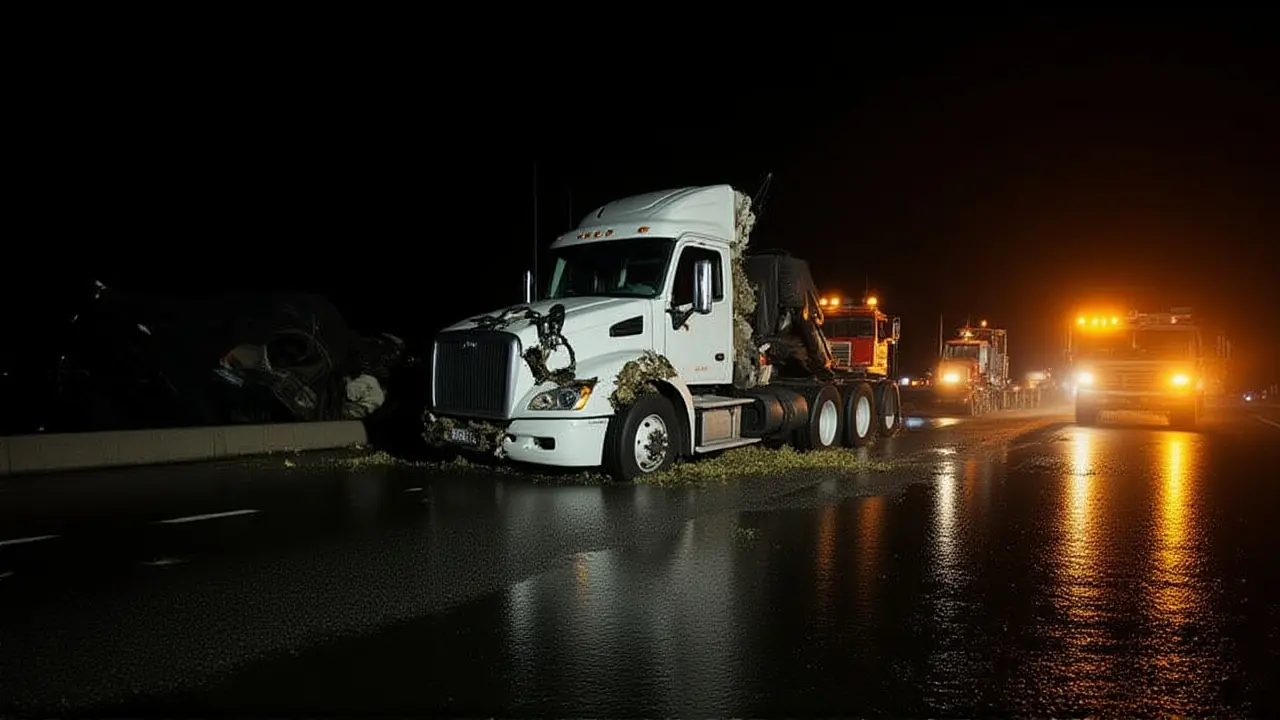
Two people are dead and 19 others were injured after a catastrophic oil tanker crashEastern Cape shut down the N2 national road overnight. The incident occurred between Ndabakazi and the Kei Cuttings, forcing authorities to close the entire stretch as hazardous fuel spilled across the lanes.
The Eastern Cape Department of Transport confirmed that the road was completely blocked following the serious overnight collision. While emergency crews worked through the night to manage the scene, the partial reopening of the highway came only after significant cleanup efforts addressed the dangerous spillage near the Kei Cuttings.
A Night of Chaos on the N2
Here’s the thing about major highway closures: they don’t just stop traffic; they halt lives. On the morning of 13 May 2026, drivers heading along the N2 found themselves stranded. Reports from SA Trucker indicated that the closure was total, affecting both directions of travel. This wasn’t a minor fender-bender. It involved an oil tanker, which means fire risk, toxic spills, and immediate danger to first responders.
By midday, the situation had shifted slightly. Nova News reported that the N2 had been partially reopened. However, "partially" is the key word here. Traffic flow remained restricted as crews dealt with the hazardous oil spillage. The presence of raw fuel on the asphalt creates a slippery, explosive hazard that requires specialized containment before normal speeds can resume.
The human cost became clear through social media updates. An Instagram post circulating widely stated bluntly: "DEADLY N2 CRASH LEAVES TWO DEAD AND 19 INJURED." These numbers paint a grim picture of the impact. Nineteen people required medical attention, suggesting widespread trauma among those in nearby vehicles or inside the tanker itself.
Official Response and Cleanup
The Eastern Cape Department of Transport took charge of the operational response. A Facebook update dated 15 June 2026—likely referencing ongoing safety assessments or a related incident in the same corridor—highlighted the department's role in closing the N2 when an oil tanker overturned near Ndabakazi. Whether this date reflects a typo in the source material or a subsequent safety review, it underscores the persistent risks on this stretch of road.
Turns out, managing a hazmat spill on a busy national route is no small feat. Authorities had to balance public access with environmental protection. The oil didn’t just sit there; it spread. Containment booms and absorbent materials were likely deployed to prevent the fuel from seeping into local waterways or soil, adding hours to the cleanup process.
Drivers faced long detours. The N2 is a critical artery connecting East London to Port Elizabeth (Gqeberha) and beyond. When it closes, logistics companies scramble, commuters miss work, and emergency services face delays. The ripple effects extend far beyond the crash site.
A History of Danger on This Route
This isn’t the first time the N2 has claimed lives in tanker accidents. The region has a troubling history with heavy vehicle collisions. In 2022, another fatal accident occurred near Kwelera, between East London and Kei Bridge. That crash happened around 09H20, resulting in two deaths after the tanker caught fire. The similarity in casualty counts—two dead—is eerie, though the circumstances differ.
Even earlier, a "horror smash" involving a bakkie and an oil tanker near Butterworth left victims burnt beyond recognition. Those images, shared by outlets like IOL, remain seared in the collective memory of locals. They serve as a stark reminder: these roads are dangerous, especially at night when visibility is poor and fatigue sets in.
Why does this keep happening? Experts point to several factors:
- Road design: Sections like the Kei Cuttings involve steep gradients and sharp curves, challenging for large trucks.
- Vehicle maintenance: Brake failures and tire blowouts are common causes of tanker rollovers.
- Driver behavior: Speeding and distracted driving exacerbate the risks inherent in transporting hazardous materials.
What Comes Next?
For now, the focus remains on supporting the families of the deceased and treating the injured. The 19 survivors will face physical and psychological recovery journeys. Meanwhile, the Eastern Cape Department of Transport faces pressure to improve safety measures along the N2.
Will we see more speed cameras? Better signage? Or perhaps stricter enforcement of rest periods for truck drivers? Only time will tell. But one thing is certain: until systemic changes occur, the N2 will continue to be a high-risk corridor for all users.
If you’re planning to travel this route, check for real-time updates. Conditions can change rapidly, and what looks like a clear road might hide residual hazards from recent incidents.
Frequently Asked Questions
How many people died in the N2 oil tanker crash?
Two people were confirmed dead in the crash that occurred between Ndabakazi and the Kei Cuttings. Additionally, 19 other individuals were injured and required medical treatment following the incident.
When did the N2 crash happen?
The serious overnight crash occurred on the night leading into 13 May 2026. The road was completely closed immediately after the incident and partially reopened later that day once initial hazards were managed.
Why was the N2 closed for so long?
The closure was necessary due to hazardous oil spillage from the overturned tanker. Cleaning up fuel from the roadway requires specialized equipment and safety protocols to prevent fires and environmental damage, delaying full reopening.
Which government body managed the response?
The Eastern Cape Department of Transport oversaw the closure and reopening of the N2. They coordinated with emergency services to ensure the safety of motorists and workers during the cleanup process.
Are there similar past accidents on this route?
Yes. In 2022, a tanker crash near Kwelera resulted in two deaths after the vehicle caught fire. Another severe incident near Butterworth involved a bakkie and an oil tanker, causing multiple fatalities. These events highlight recurring safety challenges on the N2.