
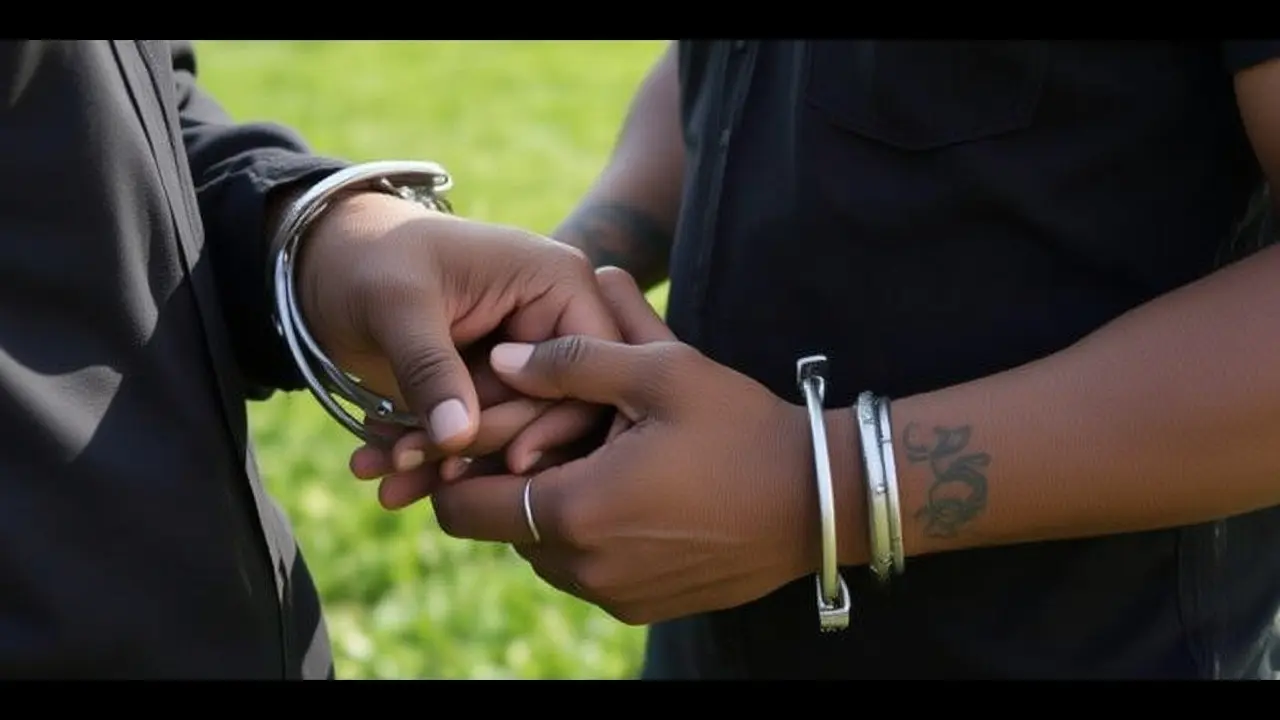
When Gerald Nyaoke, a technician with Kenya Power, allegedly demanded Ksh30,000 from a resident to restore electricity, he didn't just risk his job. He walked straight into an ambush by the Ethics and Anti-Corruption Commission. Alongside his accomplice, contracted technician Moses Otieno, Nyaoke was arrested after detectives caught them in the act of soliciting the bribe.
The sting operation unfolded on Thursday, May 28, 2026, following a complaint lodged by a frustrated homeowner whose power had been cut off just two days prior. Instead of waiting for the standard reconnection process, the resident turned to the anti-corruption watchdog. The result? Two suspects in custody, processed at the Integrity Centre, and a renewed spotlight on systemic graft within Kenya’s state-owned utility provider.
A Sting Operation in Donholm
Here’s how it went down: The complainant reported that their electricity supply to a residential property in Nairobi had been disconnected. Rather than paying lawful fees through official channels, they were approached by Nyaoke and Otieno. The demand? A flat fee of Ksh30,000 cash to flip the switch back on.
EACC detectives didn’t take this lying down. They mounted a covert operation, monitoring communications between the victim and the technicians. The goal was simple: catch the money changing hands. When the alleged bribe was exchanged, agents moved in immediately. It wasn’t just about stopping one bad transaction; it was about building an ironclad case for prosecution.
Both men were escorted to the Integrity Centre for further processing. As of now, no formal charges have been filed in court, but the investigative phase is well underway. For residents tired of arbitrary disconnections and hidden costs, this arrest feels like a small victory. But experts warn that these cases often point to deeper rot within the organization.
Part of a Broader Pattern?
This isn’t an isolated incident. In fact, it fits a disturbing pattern of corruption allegations targeting Kenya Power staff across Nairobi. Just recently, the EACC announced separate arrests involving three other employees linked to similar misconduct.
In one high-profile case, accountant Jeremiah Onchuru Omwenga was caught red-handed receiving Ksh200,000 at Electricity House. His alleged crime? Altering a disputed bill worth Ksh346,000 to benefit a customer. Then there’s the Woodley Estate incident, where technicians Jeremiah Omondi Masiwa and John Mutuku Mutua were nabbed while accepting Ksh10,000 for an irregular reconnection.
Notice the trend? Whether it’s tweaking bills or flipping switches, the mechanism is the same: leverage essential services for personal gain. These aren’t rogue actors working in isolation; they’re exploiting loopholes in a system that relies heavily on manual processes and outsourced labor.
The Human Cost of Graft
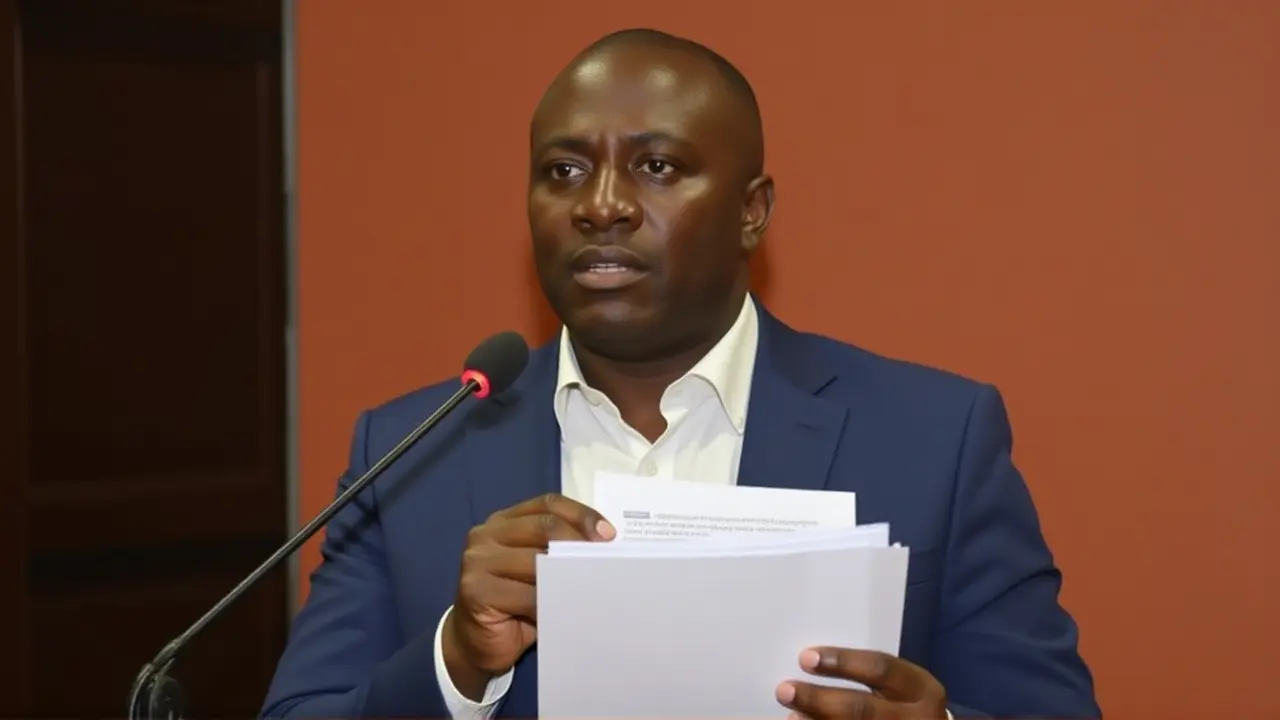
Let’s talk about why this matters beyond the headlines. Imagine coming home to a dark house because your power was cut. You call the provider, only to be told you need to pay a “fee” that doesn’t exist on any invoice. That’s the reality for many Kenyans dealing with utility providers.
The Ksh30,000 demanded from the Donholm resident isn’t pocket change. For a middle-class family, that’s rent, school fees, or groceries. By forcing citizens to pay bribes, corrupt officials effectively tax the poor twice: once through legitimate tariffs, and again through extortion.
Moreover, these practices erode trust in public institutions. When people believe that justice—or even basic services—depends on who you know or what you can afford, social cohesion suffers. It creates a culture where rule-breaking becomes normalized, and accountability seems like a distant dream.

What Happens Next?
So, what’s next for Nyaoke and Otieno? They’ll likely face disciplinary hearings within Kenya Power before criminal charges proceed. If convicted under the Bribery Act, they could face imprisonment and heavy fines. But here’s the kicker: will anything change structurally?
The EACC has shown willingness to crack down, as seen in their recent raids. However, lasting reform requires more than arrests. It demands digital transformation of billing systems, stricter oversight of contractors, and transparent grievance mechanisms for customers. Without these changes, today’s arrests might just be tomorrow’s news cycle.
For now, residents in Donholm and beyond are watching closely. Will this lead to cleaner service delivery? Or will new faces step in to fill the void left by those arrested? Only time will tell.
Frequently Asked Questions
Who were the individuals arrested in this case?
The two individuals arrested are Gerald Nyaoke, a technician employed directly by Kenya Power, and Moses Otieno, a contracted technician. Both were apprehended by the Ethics and Anti-Corruption Commission (EACC) after allegedly demanding a bribe to reconnect electricity to a residential property in Nairobi.
How much money was allegedly demanded as a bribe?
The suspects allegedly demanded exactly Ksh30,000 from the complainant. This amount was requested as an unofficial fee to restore the electricity supply, which had been disconnected two days before the resident filed a complaint with the EACC on May 28, 2026.
Are there other similar cases involving Kenya Power staff?
Yes, several related cases have emerged recently. For instance, an accountant named Jeremiah Onchuru Omwenga was arrested for allegedly taking a Ksh200,000 bribe to alter a bill. Additionally, two other technicians were caught accepting Ksh10,000 for irregular reconnections in Woodley Estate. These incidents suggest a broader issue of corruption within the company.
What happens to the suspects after arrest?
After arrest, suspects are taken to the Integrity Centre for processing and investigation. Depending on the evidence gathered, they may face internal disciplinary action from Kenya Power and subsequent criminal prosecution under Kenya’s Bribery Act. Previous suspects in similar cases have been released on bond pending trial.
Why does this matter to ordinary citizens?
This matters because it highlights how corruption increases the cost of living for everyday people. When officials demand bribes for basic services like electricity, households bear an unfair financial burden. It also undermines trust in public institutions and suggests that access to essential utilities may depend on illicit payments rather than legal rights.