
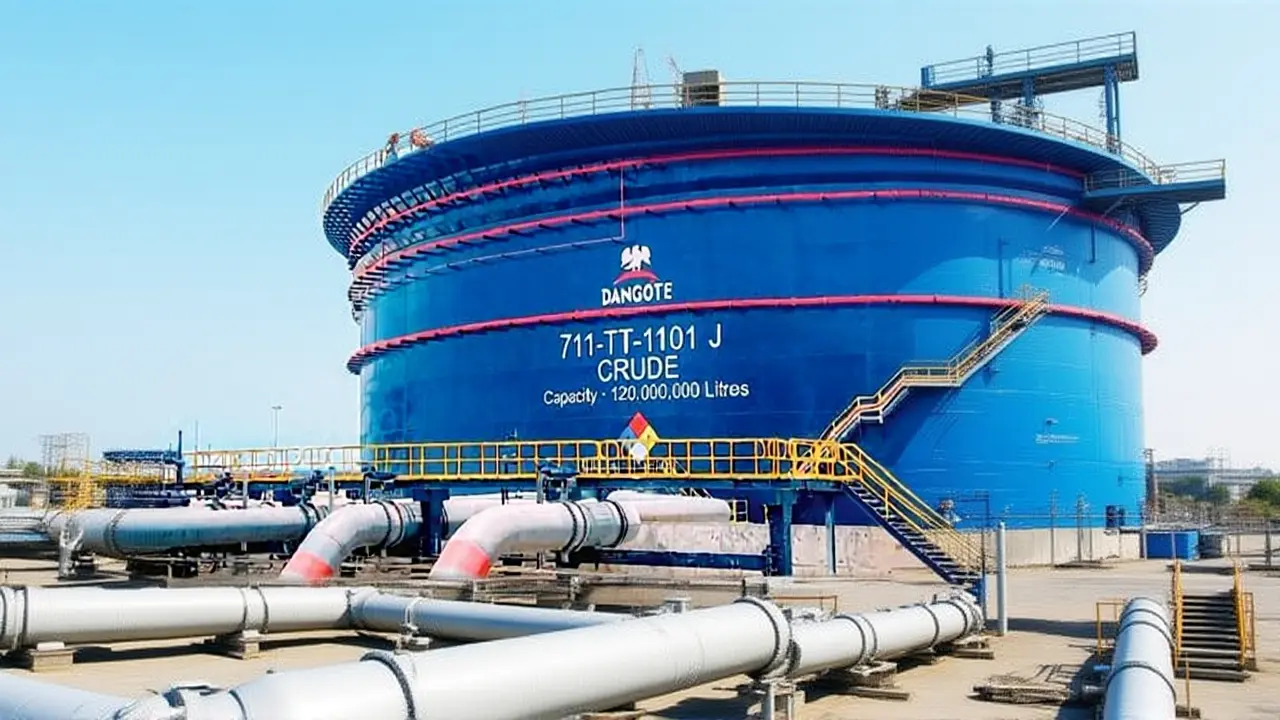
Nigerian motorists got a wild ride this week as the Dangote Petroleum Refinery & Petrochemicals sent shockwaves through the economy with a sudden fuel price hike, only to undo the damage less than 24 hours later. On April 7, 2026, the refinery pushed petrol prices up by N75 per litre, sending the cost to N1,275, while diesel saw an even sharper jump of N200, hitting N1,950. It was a move that threatened to spike inflation just as businesses were trying to find their footing.
But here's the thing: by the afternoon of April 8, 2026, the refinery performed a dramatic U-turn. The ex-gantry price for petrol was slashed back to N1,200 per litre, effectively erasing the hike that had caused panic across Nigeria. The coastal price was similarly stabilized at N1,153 per litre, bringing a brief moment of relief to a market that has become increasingly volatile.
A Geopolitical Seesaw: Why Prices Swung
The sudden flip-flop wasn't random; it was a direct reaction to a chaotic 24 hours in global diplomacy. Initially, the refinery cited "global market trends" and escalating tensions in the Middle East. A top official told Punch Nigeria that the upward adjustment was inevitable given how crude oil prices react to regional instability. For a moment, it looked like diesel was headed straight for the N2,000 mark, which would have been a nightmare for logistics and transport companies.
The twist came when Donald Trump, the former United States President, announced a conditional two-week ceasefire arrangement with Iran. The news hit the markets like a bolt of lightning. Fears of a total supply disruption in the Middle East vanished almost instantly, causing global oil benchmarks to crash.
The numbers tell the real story of this volatility. On April 8, 2026, Brent crude prices plummeted by 13.28 per cent to $94.76 per barrel. Not far behind, US West Texas Intermediate dropped by 14.72 per cent to $96.31 a barrel. Since the Dangote facility pegs its pricing to these international benchmarks, the refinery had little choice but to lower prices to stay competitive and aligned with the global market.
The Ripple Effect on Nigerian Consumers
While the reversal happened quickly, the psychological impact on the public remains. For the average Nigerian, a N75 jump in petrol isn't just a statistic—it's a change in how many trips they can make or whether a bus driver increases fares mid-journey. The fact that prices can swing so wildly based on a single announcement from a foreign leader highlights just how exposed the domestic energy market is to external shocks.
Industry observers note that this episode proves the refinery's pricing mechanism is now hypersensitive to real-time data. While some praise this transparency, others worry that such volatility makes financial planning impossible for small businesses. Turns out, the "market reality" the refinery official mentioned is a double-edged sword.
Industry Reactions and Market Validation
The news of the reversal wasn't just a company memo; it was corroborated by a wave of reporting. Outlets like BusinessDay Nigeria, PremiumTimes Nigeria, and DailyPost Nigeria all confirmed that the gantry price had returned to N1,200. This collective validation helped quell market speculation that the refinery was attempting a stealthy permanent increase.
In a formal statement, the refinery emphasized its commitment to ensuring a steady supply across both domestic and regional markets. They were quick to clarify that there was no "new pricing" in effect, but rather a maintenance of existing rates following the crude oil dip. It was a strategic move to maintain public trust while adhering to the cold logic of oil economics.
What This Means for the Future
Looking ahead, this event serves as a case study in the "new normal" for Nigerian fuel pricing. We are no longer dealing with static, government-mandated prices that stay put for months. Instead, we're seeing a dynamic pricing model that breathes with the global market. If tensions in the Middle East flare up again, we can expect another spike almost instantly.
The key takeaway here is that the ceasefire announced by Trump acted as a temporary pressure valve. However, because the ceasefire is only "conditional" and lasts for two weeks, the market is likely to remain on edge. If the deal falls through, the N1,275 price tag might return—or even be exceeded.
Quick Facts: The 24-Hour Price Cycle
- Petrol Peak: N1,275 per litre (April 7, 6:00 pm)
- Petrol Return: N1,200 per litre (April 8, 12:16 pm)
- Diesel Peak: N1,950 per litre (Up N200 from N1,750)
- Brent Crude Drop: 13.28% to $94.76 per barrel
- Key Trigger: US-Iran ceasefire announcement
Frequently Asked Questions
Why did Dangote Refinery change the price twice in one day?
The initial increase on April 7 was a response to rising international crude prices caused by Middle East tensions. The reversal on April 8 happened because Brent crude prices crashed by over 13% following Donald Trump's announcement of a ceasefire with Iran, making the higher price obsolete almost immediately.
What is the current cost of petrol at the gantry?
As of April 8, 2026, the ex-gantry price for Premium Motor Spirit (petrol) has been restored to N1,200 per litre, while the coastal price stands at N1,153 per litre.
How did the US-Iran ceasefire affect global oil prices?
The ceasefire eased fears of supply disruptions in the Middle East. This caused Brent crude to drop to $94.76 per barrel and US West Texas Intermediate to fall to $96.31, prompting refineries globally to adjust their pricing downward.
Will petrol prices stay at N1,200?
It is uncertain. Because the ceasefire is conditional and limited to two weeks, any breakdown in diplomatic talks or a return to hostilities in the Middle East could trigger another price increase based on global benchmarks.
Who reported these price changes first?
Damilola Aina of Punch Nigeria provided the primary reporting on both the price hike on April 7 and the subsequent reversal on April 8, which were later confirmed by BusinessDay, PremiumTimes, and DailyPost.


